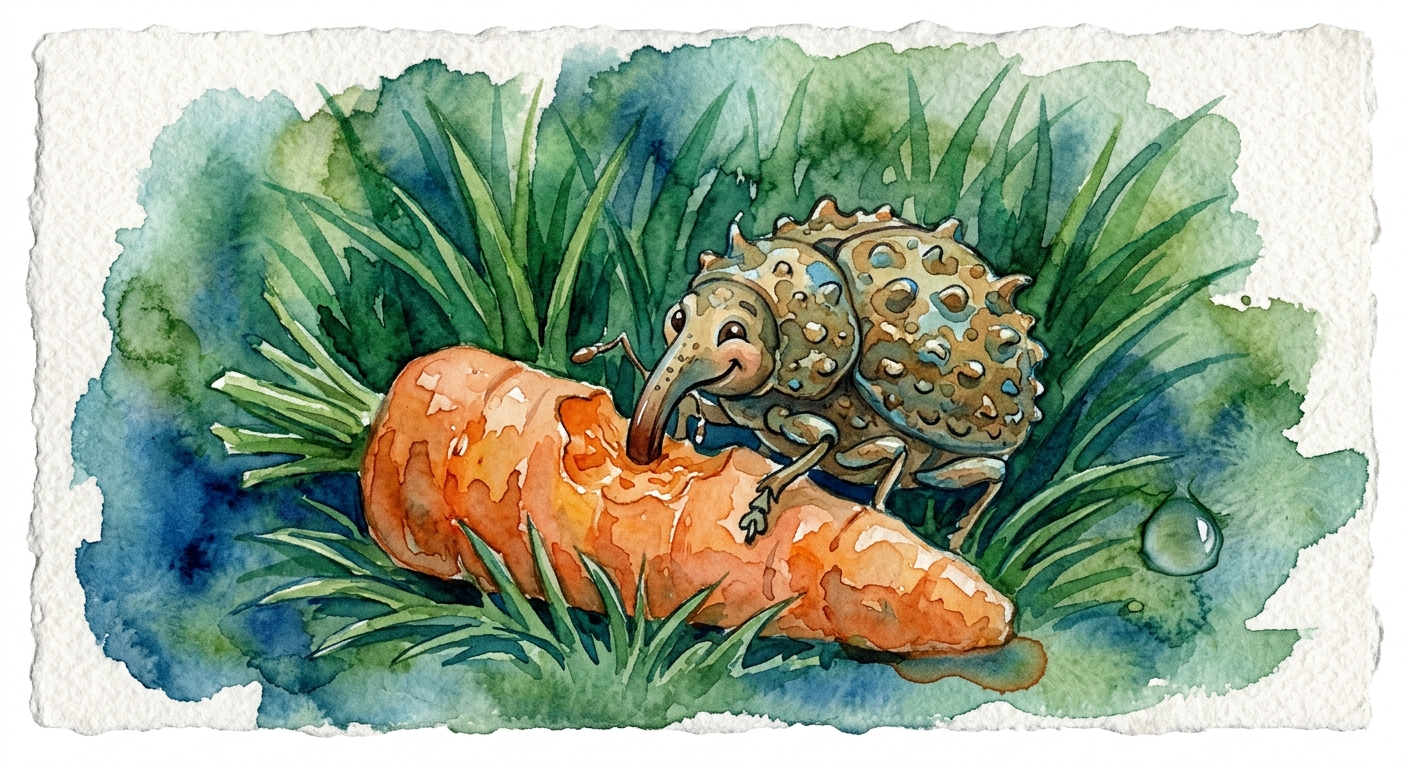
In a remarkable conservation breakthrough, wildlife specialists in New Zealand have successfully saved a critically endangered, ancient insect species from the brink of extinction using an unexpected secret weapon: raw carrot chunks. The Canterbury knobbled weevil, a genetically ancient beetle often hailed as a living fossil, was long presumed extinct before a tiny surviving population was rediscovered in the South Island. Plagued by habitat degradation due to the clearing of native vegetation, the species faced an uncertain future until researchers launched an experimental captive breeding plan.
Working alongside Te Rūnunga o Arowhenua, scientists at the Department of Conservation and the Bioeconomy Science Institute set up a specialized laboratory habitat. Starting with a tiny founding group of just six weevils, the team experimented with various food sources to keep the delicate critters thriving. To everyone's delight, the insects turned out to be remarkably hardy and developed a fondness for crunching on carrots. The simple root vegetable diet helped the six original beetles produce more than two hundred offspring in captivity.
With the colony officially flourishing, conservationists initiated a soft release program on October 23, 2026, placing the newly bred weevils back into their ancestral habitat in the Ōtūwharekai and Ashburton Lakes region. Nestled beneath temporary protective coverings, the bugs scuttled eagerly into native spear grass plants, which serve as their primary natural sanctuary. Field researchers will monitor the weevils' progress in the wild over the coming weeks, celebrating a triumphant comeback powered by scientific dedication and crunchy vegetables.