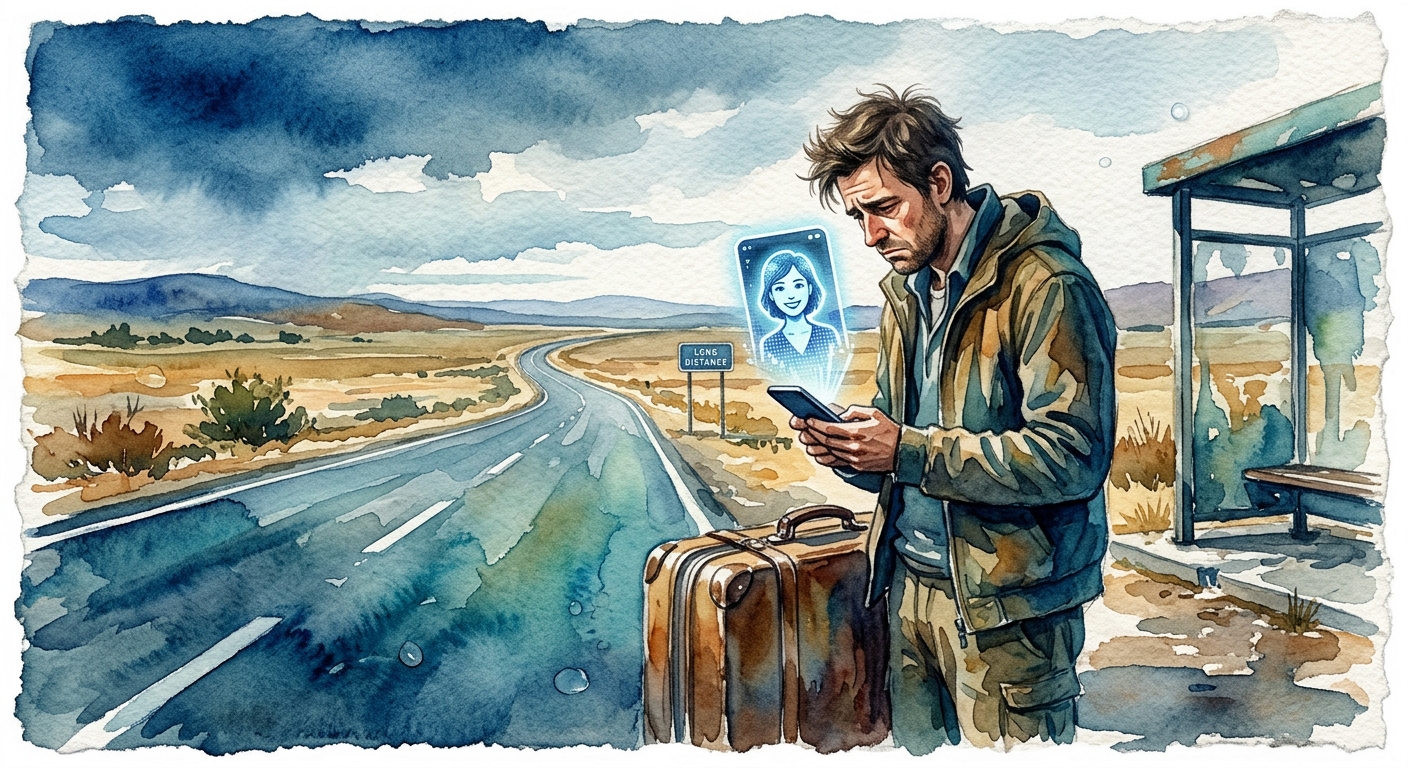
In a cautionary tale of digital-age romance gone wrong, Edimar Martins, a 49-year-old bricklayer from the northeastern Brazilian state of Maranhão, sold all his worldly possessions and embarked on a grueling 1,900-kilometer journey to meet the woman he believed was his soulmate.
Loneliness had overtaken Martins following the passing of his mother, prompting him to seek companionship on social media, where he eventually connected with an account going by the name Jessica Oliveira. Over the course of their online relationship, Martins grew convinced that Jessica was his ticket to a fresh start in life.
Swept up by promises of love and a shared future, he liquidated his assets—selling off his personal belongings to raise funds for the cross-country trip. With high hopes and packed bags, he traveled across Brazil to finally embrace his digital sweetheart in person.
However, upon arriving at his destination, the heartbreaking truth came to light: Jessica did not exist in the physical world. The entire persona, complete with photos and affectionate messages, was completely generated by artificial intelligence.
Left stranded with no money and no home to return to, Martins' grand romantic gesture transformed into a stark modern-day warning about the perils of virtual romance and AI-driven catfishing.